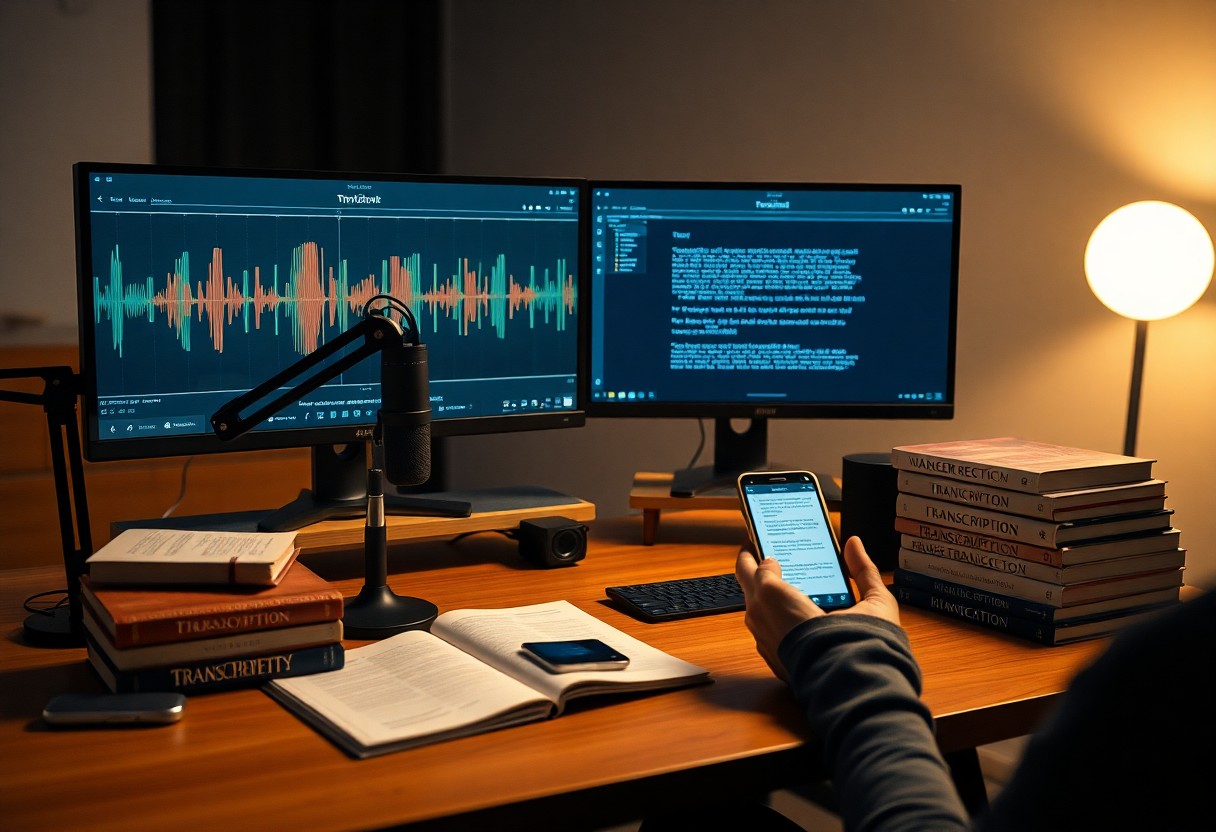
Over the past few years, transcription work has become a popular way for you to earn money from home by converting audio files into written text. This guide will provide you with necessary tips on how to get started, the tools you'll need, and effective strategies to maximize your earnings in the growing field of transcription. Whether you're looking for a side hustle or a full-time career, understanding the basics of audio-to-text conversion can help you tap into a lucrative online market.
Key Takeaways:
- Transcription work allows individuals to convert audio recordings into text, providing flexible job opportunities from home.
- Various platforms and tools are available for transcription tasks, enhancing efficiency and accuracy.
- Building a portfolio and acquiring relevant skills can increase earning potential in the transcription field.
Understanding Transcription
Transcription involves converting spoken language into written text, ensuring clarity and accessibility. You’ll often encounter various environments where this skill is important, such as court reporting, academic research, and media production. Proficiency in transcription can open up diverse job opportunities, allowing you to work from home and earn income on your own terms.
What is Transcription?
Transcription is the detailed process of listening to audio recordings and accurately typing them into written form. It can involve dialogue from interviews, lectures, or podcasts, requiring not only typing speed but also strong listening skills. This work allows you to translate verbatim discussions into documents, making information more accessible.
Types of Transcription
Transcription can be categorized into various types based on context and requirements. Different styles suit particular use cases, whether you’re transcribing medical records or creating subtitles for videos. Each type has unique formatting standards and audience expectations, making it important to understand their specific requirements.
| Type | Description |
| Verbatim | Exact words, including fillers and non-verbal cues. |
| Edited | Cleaned-up version, removing unnecessary elements. |
| Intelligent | Captures the speaker’s meaning, paraphrasing where necessary. |
| Medical | Specialized language for healthcare documentation. |
| Legal | Official records for court or legal proceedings. |
In terms of depth, each transcription type serves different audiences and purposes. Verbatim transcription requires strict adherence to spoken words, while edited forms focus on clarity for readers. Intelligent transcription balances meaning with conciseness, catering to a broader audience. Medical and legal transcriptions require specialized knowledge to ensure accuracy and professional integrity.
- You must be aware of terminology specific to the type you are transcribing.
- Consider the context of the audio, such as field and audience.
- Familiarize yourself with tools and software designed for transcription.
- Practice regularly to improve speed and accuracy.
- Perceiving nuances in speech can enhance overall transcription quality.
| Consideration | Details |
| Tools | Software can automate parts of the transcription process. |
| Accuracy | High accuracy is vital, especially in medical or legal contexts. |
| Confidentiality | Respect for sensitive information is important. |
| Client Needs | Understand specific client requirements for each project. |
| Practice | Continuous improvement in skills leads to more job opportunities. |
Tools and Software for Transcription
Your transcription experience largely depends on the tools and software you choose. Having the right equipment is vital for efficiency and accuracy. This can enhance your workflow and help you meet deadlines. For opportunities to work remotely while transcribing, check out Remote Transcription Contract Work - Jobs.
Essential Equipment
Your transcription setup should include a high-quality headset, a reliable computer, and internet access. A foot pedal can significantly improve your efficiency by allowing you to control audio playback hands-free, enabling you to focus solely on typing. Additionally, ensuring your workspace is comfortable and free of distractions can further enhance your productivity.
Recommended Software
Investing in reliable transcription software can streamline your workflow. Popular options include Express Scribe, Otter.ai, and Transcribe. These programs offer playback controls, foot pedal compatibility, and some even have automatic speech recognition features to assist you.
Express Scribe is particularly favored by transcriptionists for its user-friendly interface and extensive feature set. It supports various audio formats, allows for adjustable playback speed, and is compatible with various foot pedals. Otter.ai stands out with its real-time transcription capabilities and cloud storage, making it easy to access your files anytime. On the other hand, Transcribe offers a simple layout and a one-time payment model, appealing for those who prefer avoiding subscriptions. Choosing the right software tailored to your needs can significantly enhance your efficiency and overall output quality in transcription tasks.
Getting Started with Transcription Work
Begin your journey into transcription work by understanding the requirements and skills needed. Basic typing proficiency, keen attention to detail, and good listening abilities are imperative. Familiarize yourself with different transcription formats, such as verbatim or clean read, and consider taking an online course to enhance your skills, which can boost your confidence while applying for jobs.
Finding Legitimate Work Opportunities
Your search for online transcription work should focus on reputable platforms. Websites like Rev, TranscribeMe, and Scribie offer a steady flow of transcription jobs. Check reviews on forums or job boards to identify trustworthy sites. Additionally, networking with other transcriptionists can lead to unadvertised opportunities.
Creating a Portfolio
A well-structured portfolio is your ticket to securing transcription work. Start by compiling a selection of your best samples, demonstrating various styles, formats, and subjects. Include a brief description for each sample to showcase your versatility. Customize your portfolio to match different job applications, ensuring that it highlights skills relevant to each prospective client.
In your portfolio, aim for a diverse mix of samples, such as medical, legal, and general transcription. Consider including a brief personal introduction highlighting your experience and unique strengths. Tools like Google Docs or personal websites can showcase your work effectively, making it easy for potential clients to assess your capabilities at a glance. Consistently updating your portfolio as you gain experience will also reinforce your credibility in the transcription field.
Improving Your Transcription Skills
Focusing on enhancing your transcription skills can significantly boost your income potential. You can find a variety of resources online to help sharpen your abilities. For example, take a look at 24 Online Transcription Jobs for Beginners (With Rate Info) for job opportunities and insights. Regular practice, combined with exposure to different audio accents and formats, will familiarize you with varied styles that can improve your efficiency and accuracy.
Tips for Effective Transcribing
Effective transcribing hinges on a few key practices.
- Use headphones to catch every detail in audio.
- Familiarize yourself with types of transcription styles.
- Utilize transcription software that can help manage workflows.
Knowing these tips will streamline your process and increase your job satisfaction.
Resources for Practice and Learning
Numerous platforms exist where you can hone your transcription skills. Websites like Transcription Certification Institute and Rev’s learning resources offer practice transcription files and tutorials. Engaging with forums and communities such as Reddit’s transcription group can also provide valuable peer feedback. Joining online courses on platforms like Udemy or Skillshare can further solidify your knowledge and skills while introducing you to different transcription styles.
Setting Your Rates and Getting Paid
Establishing your rates and payment structure is necessary for maximizing your transcription earnings. Research the industry standard, which generally ranges from $0.50 to $3.00 per audio minute, depending on your experience, proficiency, and the complexity of the material. Additionally, consider whether you'll charge by the hour, per project, or per audio minute, tailoring your approach based on your target market and the type of transcription services you offer.
Pricing Your Services
Pricing your services should reflect your skills and the value you provide to clients. Analyze what competitors charge in your niche and adjust your rates accordingly. Offering competitive pricing initially can help build your portfolio and attract clients, while considering premium rates for specialized fields like legal or medical transcription due to the technical jargon involved.
Payment Methods and Platforms
Selecting the right payment methods ensures a smooth transaction process for you and your clients. Popular platforms for freelance transcriptionists include PayPal, direct bank transfers, and platforms like Upwork or Fiverr, where you can establish payment terms and receive your earnings easily.
Utilizing a diverse range of payment options helps accommodate clients' preferences, making your services more accessible. PayPal is favored for its reliability, while platforms like Freelancer and Fiverr provide built-in payment systems, removing the hassle of billing. Payment terms such as upfront deposits or milestone payments can also mitigate the risk of non-payment and promote a professional working relationship.
Marketing Yourself as a Transcriptionist
Effective marketing is imperative for gaining traction as a transcriptionist in a competitive market. Utilize platforms like Freelance Jobs | Work from Home Transcription & Caption ... to showcase your skills and attract clients. Craft an engaging profile that highlights your experience, specialties, and any certifications. Regularly update your portfolio with samples to demonstrate your capabilities and keep potential employers engaged. Utilize social media to share testimonials and insights into your work, building a personal brand that resonates with clients.
Building Your Online Presence
Creating a strong online presence is imperative for your success as a transcriptionist. Optimize your profiles on freelancing platforms with relevant keywords and detailed descriptions of your services. Develop a professional website showcasing your portfolio, rates, and client feedback. Regularly publish blogs or social media posts about transcription trends or tips, establishing your authority in the field.
Networking with Other Professionals
Connecting with other transcriptionists and industry professionals can lead to collaboration opportunities and insider knowledge. Join online forums, social media groups, and networking events specific to transcription. Participating actively in these communities allows you to exchange advice, stay updated with industry trends, and potentially gain referrals for jobs.
Engagement in professional networks often opens up avenues for growth and mentorship. Many successful transcriptionists share insights on best practices or job leads, fostering a collaborative environment. Collaborate on projects or participate in discussions to deepen connections and expand your reach. Building relationships with peers can also enhance your skills through shared resources, tips, and experiences, ultimately elevating your career in transcription.
Conclusion
Taking this into account, converting audio to text through transcription offers you a viable way to earn money from home. By honing your skills and utilizing various platforms, you can secure transcription jobs that fit your schedule. With practice and the right resources, you can efficiently turn your listening and typing abilities into a steady income stream, allowing you to work flexibly while leveraging your talents.
FAQ
Q: What is audio transcription?
A: Audio transcription is the process of converting spoken words from audio files into written text. This service is often required for various fields, including legal, medical, and media industries.
Q: What skills are needed to become a transcriptionist?
A: Essential skills for a transcriptionist include excellent listening abilities, strong typing speed and accuracy, good grammar and punctuation knowledge, and familiarity with transcription software.
Q: How can I find transcription work online?
A: You can find transcription work through job boards, freelance websites, and specialized transcription platforms that connect clients with transcriptionists. Some popular sites include Rev, TranscribeMe, and Upwork.
Q: What equipment do I need to get started in transcription?
A: Basic equipment includes a computer, headphones for clear audio listening, and either foot pedals for easier control of audio playback or transcription software that facilitates text entry.
Q: How much can I earn as a transcriptionist?
A: Earnings vary based on experience, speed, and the complexity of the work, but transcriptionists typically earn between $15 to $30 per hour. Specialized fields may offer higher rates.